
Soups & Stews
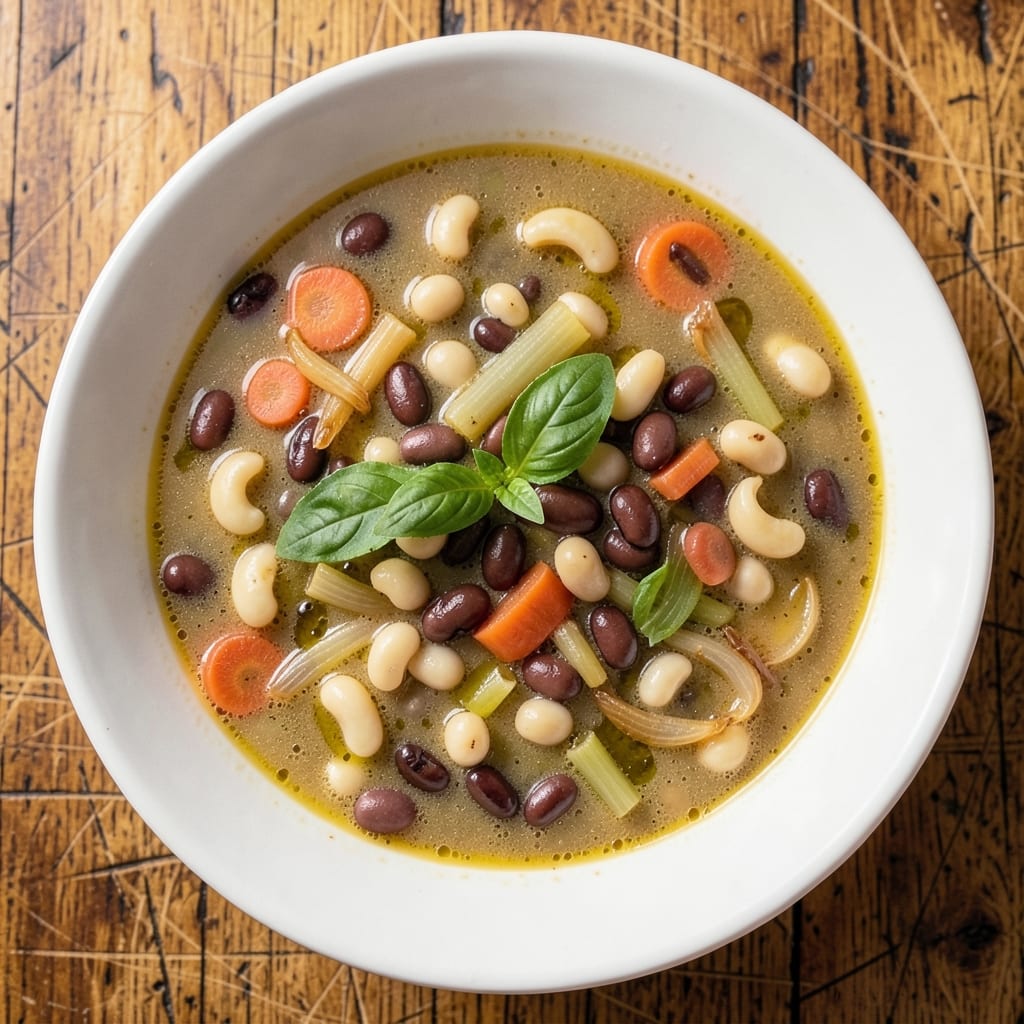
This 3 bean minestrone soup recipe delivers hearty Italian comfort in every steaming bowl, packed with three types of beans, fresh vegetables, and rich broth. The secret lies in slow simmering—45 minutes of gentle cooking transforms simple ingredients into a deeply flavorful, restaurant-worthy stew that's perfect for chilly evenings or meal prep. What makes this version special is the balance of textures: tender beans, al dente pasta, and crisp-tender vegetables all working together in harmony.
Traditional Italian techniques like sautéing aromatic vegetables and building flavor with herbs and tomatoes create that signature rustic taste, while modern shortcuts—like using canned beans or pre-chopped vegetables—keep it accessible for busy cooks. The soup thickens beautifully as it simmers, developing layers of savory depth that make it even more satisfying the next day. Whether you're feeding a family or prepping for the week, this recipe delivers consistent, comforting results every time.
By the end, you'll have a rich, vegetable-packed soup with perfectly cooked beans, tender pasta, and a broth so flavorful it doesn't need garnish. The aroma alone—warm herbs, caramelized onions, and simmering tomatoes—will have everyone gathering around the table. This is the kind of dish that feels like a hug in a bowl, and it's easier to make than you'd think.
For those with dietary preferences, simple swaps like omitting butter or using vegetable broth make this vegan-friendly without sacrificing flavor. The recipe scales effortlessly, too, so you can easily double or halve it based on your needs. Ready to make this Italian classic your new go-to? Let's get started with the ingredients.
Ingredients for 3 bean minestrone soup
Three types of beans, aromatic vegetables, and rich Italian flavors—everything you need for a hearty minestrone that tastes like Nonna's.
| Ingredient | Amount | Notes |
|---|---|---|
| Cannellini Beans 🌱 | 1 ½ cups | Canned, drained and rinsed |
| Kidney Beans 🌱 | 1 cup | Canned, drained and rinsed |
| Great Northern Beans 🌱 | 1 cup | Canned, drained and rinsed |
| Vegetable Broth 💧 | 6 cups | Low-sodium preferred |
| Ditalini Pasta 🍝 | 1 ½ cups | Uncooked, broken in half |
| Onions 🧅 | 1 whole | Yellow, diced |
| Carrots 🥕 | 3 medium | Peeled, diced |
| Celery Stalks 🧅 | 3 whole | Diced, leafy parts removed |
| Garlic Cloves 🧄 | 4 cloves | Minced |
| Canned Diced Tomatoes 🍅 | 1 14.5 oz can | San Marzano preferred |
| Tomato Paste 🍅 | 1 tbsp | Smooth, no sugar added |
| Fresh Parsley 🌿 | ¼ cup | Chopped, for garnish |
| Fresh Basil 🌿 | ¼ cup | Chopped, for garnish |
| Extra-Virgin Olive Oil 🫒 | 2 tbsp | For sautéing |
| Dried Oregano 🍃 | 1 tsp | Italian preferred |
| Bay Leaves 🌿 | 2 whole | Removed before serving |
| Salt 🧂 | 1 ½ tsp | Diamond Crystal preferred |
| Black Pepper 🌶️ | ½ tsp | Freshly ground |
The beans are the soul of this soup. Canned beans save time, but if you're using dried, soak them overnight and drain well. For the best flavor, Trader Joe's or Whole Foods carry high-quality canned beans—look for no-salt-added varieties. The carrots should be firm and bright orange; organic carrots have the best flavor. Celery adds earthy depth, so don't skip it. For the tomatoes, San Marzano canned tomatoes are a game-changer—they're sweeter and smoother than regular brands. If you can't find them, any good-quality diced tomatoes will work.
No canned tomatoes? Fresh tomatoes blended with a splash of broth work in a pinch, though they'll be more watery. Short on kidney beans? Substitute more cannellini or Great Northern—the texture stays similar. The pasta can be any small shape, but ditalini or orzo hold up best in soups. For extra richness, stir in a splash of vegetable broth if the soup seems too thick. The herbs are key: fresh basil and parsley brighten everything up, but dried oregano at half the amount works if you're in a hurry.
This soup tastes even better the next day—4-5 days in the fridge is perfect. For meal prep, portion into containers and freeze for up to 3 months. The broth thickens as it cools, so add a splash of water when reheating. Garnish with fresh herbs right before serving—they wilt fast. Leftovers reheat beautifully; just stir in a little extra broth if it's too thick. Double the recipe and freeze half—you'll thank yourself later.
Why You'll Love This Recipe
- Three Beans, One Pot: I swear by this—just toss in canned beans (rinsed, drained, done), broth, and pasta. No soaking, no chopping vegetables to oblivion, and the beans do all the heavy lifting while you stir once.
- Lunchbox Magic: Between us, this soup is my go-to for meal prep. The ditalini holds its shape when cold, and the beans keep it hearty for days. Pack it in jars for work or school—no reheating required, just grab and eat. (Yes, even on a Tuesday night.)
- Pantry Staple Power: I made this last month using beans from a can I’d had since last winter. No fancy ingredients, no wasted money—just reliable, filling flavor. Freeze leftovers? Absolutely. Save half the recipe for next week? Even better. It’s the kind of soup that doesn’t judge your fridge contents.
Step-by-step instructions for rustic Italian minestrone
This hearty three-bean soup delivers deep, rustic flavor with minimal fuss—just one pot and simple techniques.
Sauté the Vegetable Base
Heat the 2 tablespoons extra-virgin olive oil in a large Dutch oven over medium heat. Add the diced onions, diced carrots, and diced celery stalks, stirring occasionally for 5-6 minutes until the vegetables soften and begin to release their natural juices. This step builds the foundation of flavor—don't rush it, or you'll miss that sweet, caramelized depth.
After 4 minutes, add the minced garlic cloves and cook for another 30 seconds until fragrant. The garlic should sizzle gently but not burn—watch it closely. This aromatic base will infuse the entire soup with its signature savory warmth. If the vegetables stick, stir in 1 tablespoon vegetable broth to loosen them before continuing.
Build the Flavor Foundation
Stir in the 1 tablespoon tomato paste and cook for 1 minute until it darkens slightly, deepening the color and intensifying the umami. Add the 1 14.5 oz can canned diced tomatoes, breaking them up with a wooden spoon. Pour in the 6 cups vegetable broth, scraping the bottom of the pot to release any browned bits—this step captures all the concentrated flavor you've built.
Add the 1.5 cups cannellini beans, 1 cup kidney beans, and 1 cup great northern beans, along with the 1.5 teaspoons salt, 0.5 teaspoon black pepper, 1 teaspoon dried oregano, and 2 whole bay leaves. Bring the mixture to a gentle boil, then reduce heat to medium-low and let it simmer uncovered for 15 minutes. This initial simmer allows the beans to begin breaking down and the broth to meld into a cohesive base.
Add Pasta and Finish Cooking
Break the 1.5 cups ditalini pasta in half to create smaller pieces that cook more evenly. Add the pasta to the simmering soup and cook for 10-12 minutes, stirring occasionally, until the pasta is al dente—it should have a slight bite but be tender throughout. The soup should have a thick, hearty consistency, with the pasta absorbing the rich, flavorful broth.
Taste and adjust seasoning—you might need a pinch more salt, especially if using low-sodium broth. Remove the 2 whole bay leaves before serving, as they can become tough. The soup is now ready to be served, but the flavors will continue to develop as it rests for 5-10 minutes off the heat.
Garnish and Serve with Confidence
Ladle the soup into bowls and garnish each serving with 2 tablespoons chopped fresh parsley and 2 tablespoons chopped fresh basil. The bright herbs cut through the richness of the beans and tomatoes, adding a fresh, vibrant finish. Serve immediately with crusty bread to soak up every last bit of that comforting broth.
This soup tastes even better the next day as the flavors deepen, but it's equally delicious fresh out of the pot. The combination of three bean varieties creates a satisfying texture—creamy cannellini, hearty kidney, and tender great northern—while the ditalini pasta adds a comforting bite. Each spoonful delivers rustic Italian warmth in every bite.
Pro Tips For Making 3 Bean Minestrone Soup
- SOAK BEANS OVERNIGHT: I learned this the hard way—skipping the soak leaves your Great Northerns and Cannellinis rubbery, no matter how long you simmer. Toss them in cold water with a pinch of salt (yes, even if you’re impatient like me) and let them sit 8+ hours. The kidney beans? Tough little guys need 12 hours. Drain and rinse before adding to the pot—this cuts cooking time by half and keeps the broth clear.
- SIMMER PASTA LAST: Add ditalini when the beans are almost tender—about 10 minutes before the recipe’s suggested simmer time. The pasta finishes cooking in the hot broth, but if you toss it in too early, it’ll turn to mush while the beans finish. Stir once, then let it cook undisturbed. Trust me, this keeps the texture perfect without turning your soup into a gluey mess.
- SALT THE BROTH EARLY: Season the vegetable broth before adding the beans—aim for 1 teaspoon per quart, even if it seems bold. Beans absorb salt like sponges, and if you wait until the end, you’ll end up playing guesswork with the seasoning. Taste after 30 minutes of simmering and adjust; you can always add more, but you can’t take it out.
- TOAST THE BEANS: Sounds weird, but it works: Dry the drained beans on a baking sheet for 10 minutes at 375°F (or just pat them very well and sear them in oil for 2 minutes). The slight crispness cuts through the softness of the pasta and adds depth. Skip this, and your soup tastes like it’s missing something—like a missing puzzle piece you can’t quite place.
Dietary considerations for this recipe
Vegan-Friendly Adaptations
This minestrone is already vegetarian, but making it fully vegan is simple! Skip the butter entirely and use extra-virgin olive oil for sautéing. For extra richness, stir in 1 tablespoon nutritional yeast or 1 teaspoon miso paste when adding the beans—both add depth without dairy. The San Marzano tomatoes and vegetable broth ensure the soup stays plant-based while delivering bold flavor. 🌱
Gluten-Free Options
Traditional minestrone often includes pasta, but gluten-free swaps work beautifully. Use gluten-free ditalini (brands like Barilla or Jovial make excellent versions) or replace pasta with 1 cup cooked quinoa or ½ cup cooked brown rice for texture. Just add them in the final 10 minutes of cooking to prevent mushiness. The beans and vegetables hold up perfectly without gluten-containing grains.
Low-Sodium Adjustments
Low-sodium broth is a great start, but you can take it further. Reduce the salt to 1 teaspoon and boost flavor with 1 extra bay leaf or ½ teaspoon smoked paprika. Add 1 tablespoon lemon juice at the end for brightness—it enhances natural flavors without sodium. Taste as you go, as canned beans and tomatoes sometimes contain hidden salt. ❄️
Protein Boosts
For extra protein, stir in ½ cup cooked lentils or ½ cup crumbled tempeh during the final 5 minutes of cooking. Lentils blend seamlessly with the beans, while tempeh adds a nutty depth. If you prefer meat, brown ½ pound Italian sausage (remove before serving) and add it to the pot after sautéing the vegetables. The sausage’s fat infuses the broth with smoky flavor.
Allergen-Friendly Swaps
For nut allergies, avoid any added nut-based thickeners. If you’re sensitive to FODMAPs, reduce the garlic to 2 cloves and omit onions—substitute with 1 cup diced zucchini for mild flavor. For soy allergies, skip miso paste and use 1 teaspoon white miso (if tolerated) or extra tomato paste for umami. Always check labels on canned beans and broth for hidden allergens like soy or gluten.
Nutrition facts
Frequently asked questions
Can I use dried beans instead of canned?
For best results, soak 1 cup dried beans (each type) overnight in 4 cups water with 1 teaspoon salt. Drain and rinse well before adding to the soup. Increase simmering time by 30-45 minutes—dried beans need extra time to soften properly. Pro tip: Use a pressure cooker to cut cooking time to 20 minutes!
How do I make this soup thicker?
Simmer uncovered for 10-15 extra minutes to reduce the broth naturally. For quicker thickening, stir in 1-2 tablespoons tomato paste or 1 cup cooked lentils. If it's too thick, add ½ cup vegetable broth at a time until you reach your desired consistency. The soup should coat a spoon but still be ladle-friendly.
Can I prep this soup ahead of time?
This soup tastes even better the next day! Store in an airtight container in the fridge for 4-5 days or freeze for up to 3 months. For reheating, stir in 2-3 tablespoons broth to loosen the texture. The flavors deepen overnight, making it perfect for meal prep. Just add fresh herbs before serving.
What's the best pasta for minestrone?
Ditalini or orzo are ideal—their small shapes hold up well in soups. For extra texture, try broken spaghetti or farfalle. Avoid long pasta like fettuccine, as it can get mushy. If using gluten-free pasta, add it 2 minutes earlier than the package suggests to prevent overcooking.
Why did my soup turn out watery?
Watery soup usually means the broth wasn't reduced enough or the pasta/veggies released too much liquid. Fix it by simmering uncovered for 10-15 minutes longer to evaporate excess moisture. For future batches, break pasta in half to cook faster, and stir in 1 tablespoon tomato paste at the end to thicken. The beans should be tender but not falling apart!