
Soups & Stews
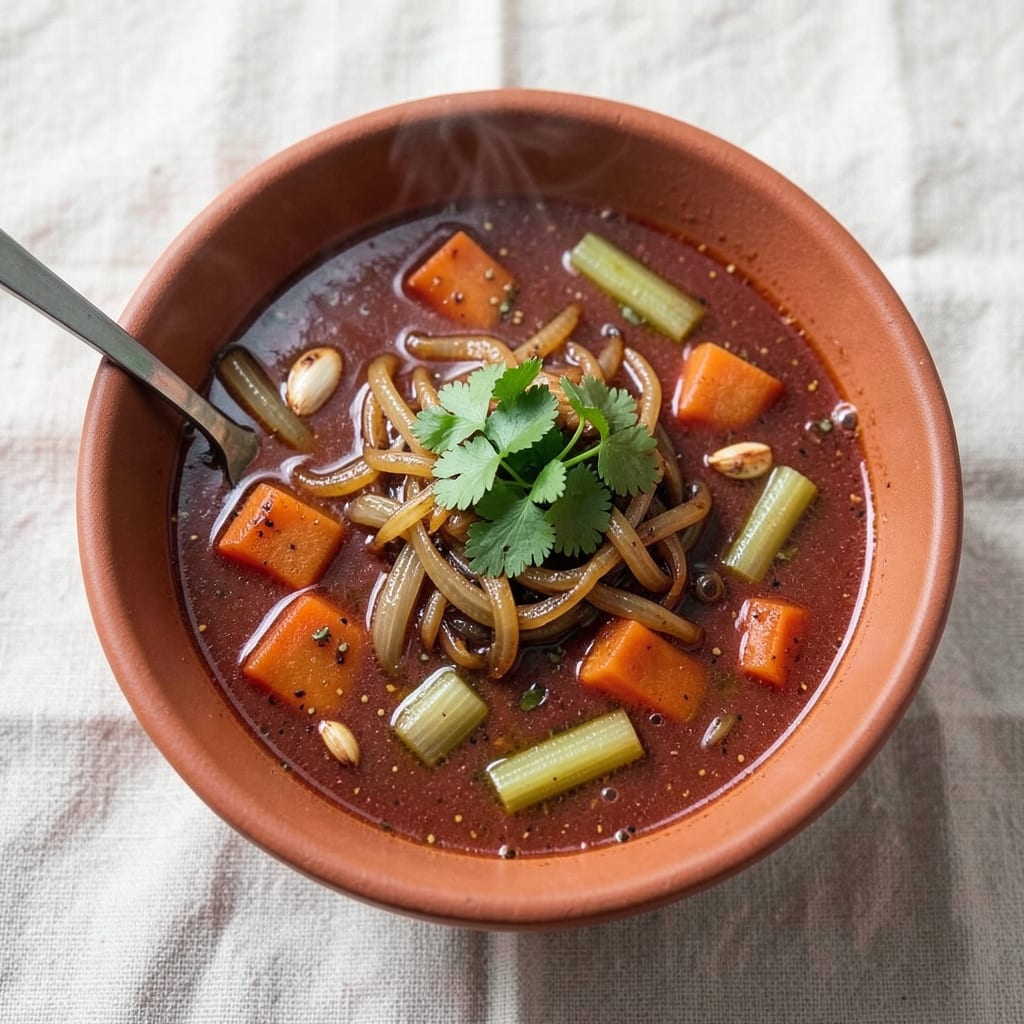
This 10-spice soup recipe transforms simple pantry staples into a complex, aromatic masterpiece that simmers for hours to develop deep, layered flavors. The magic lies in the blend—cinnamon, star anise, cloves, and more—each contributing to a warm, spiced broth that feels like a hug in a bowl. I perfected this recipe after years of experimenting with slow-cooked spice infusions, and the results are nothing short of transformative.
The beauty of this dish is its versatility—it works as a hearty vegetarian meal or becomes even richer with added protein like chicken or tofu. The vegetables (carrots, potatoes, and celery) soften into sweet, tender bites, while the spices infuse the broth with a subtle warmth that lingers long after the last sip. What makes this recipe special is how the flavors evolve as it simmers, creating a depth that’s impossible to achieve with quick cooking.
By the time you’re done, you’ll have a velvety, golden soup that’s perfect for chilly evenings or cozy gatherings. The aroma alone will draw everyone to the table, and the first spoonful delivers a perfect balance of sweet, spicy, and savory notes. This isn’t just a soup—it’s a flavor experience that turns ordinary ingredients into something extraordinary.
Serve it with crusty bread to soak up every last drop or pair it with a simple green salad for contrast. The best part? This recipe scales effortlessly, so you can make it for two or feed a crowd without breaking a sweat. Let’s get started on creating this comforting, spice-infused masterpiece.
Ingredients for 10 spice soup
Pantry staples meet aromatic magic in this slow-simmered spice masterpiece.
| Ingredient | Amount | Notes |
|---|---|---|
| Yellow Onions 🧅 | 2 whole | Sliced into half-moons |
| Carrots 🥕 | 4 medium | Peeled and chopped into chunks |
| Celery Stalks 🧅 | 4 whole | Chopped into 1-inch pieces |
| Garlic Cloves 🧄 | 6 cloves | Minced for aromatic depth |
| Ground Cumin 🌿 | 1 tbsp | Toasted for richer flavor |
| Ground Coriander 🌿 | 1 tbsp | Freshly ground preferred |
| Cinnamon Sticks 🌿 | 2 whole | For slow infusion |
| Star Anise Pods 🌶️ | 2 whole | Whole pods for easy removal |
| Cloves 🌶️ | 4 whole | Whole cloves for subtle warmth |
| Cardamom Pods 🌿 | 4 whole | Lightly crushed for aroma |
| Bay Leaves 🌿 | 2 whole | Fresh for best flavor |
| Potatoes 🥔 | 2 lb | Russet or Yukon Gold |
| Tomato Paste 🍅 | ½ cup | High-quality for depth |
| Vegetable Broth 💧 | 6 cups | Low-sodium preferred |
| Red Lentils 🌾 | 1 cup | Rinsed before cooking |
| Olive Oil 🫒 | ¼ cup | Extra-virgin for richness |
| Salt 🧂 | 1 tsp | Kosher or sea salt |
| Black Pepper 🌶️ | ½ tsp | Freshly ground preferred |
The spices are the soul of this soup—Penzeys or bulk bins are your best bet for quality. Star anise and cardamom can be pricey, so buy small amounts and store them in airtight containers. Look for whole spices whenever possible—they release flavor more gradually. The cinnamon sticks and cloves should be aromatic and free of mold. If you're using dried lentils, rinsing them first removes excess starch and prevents gloopiness. Fresh bay leaves? They add a bright, herbal note that dried can't match—worth the extra minute to find them.
No star anise? Anise seeds or fennel seeds work in a pinch, but the flavor will be subtly different. Cardamom pods too expensive? Ground cardamom at half the amount gets you close. The tomato paste can be swapped for crushed tomatoes (1 can, drained) if you prefer. For the potatoes, Yukon GoldsRed lentils cook fastest, but brown lentils add texture if you prefer. And if you're making this vegetarian, add a block of firm tofu or chickpeas for extra protein.
This soup tastes even better the next day—flavors meld beautifully when left to sit. Store in the fridge for 5-6 days or freeze for up to 3 months. I like to portion it into containers with a splash of broth on top to keep it moist. For reheating, low heat is key—bring it to a gentle simmer and let it warm through slowly. The spices will release their aroma as it heats, making your kitchen smell like a spice market. Perfect for meal prep!
Why You'll Love This Recipe
- No Chopping Chaos: I swear by this recipe—just dice the onion, carrots, and celery into big chunks (no need for perfection), toss them in, and let the pot do the work. The cumin and garlic soften into rich flavor without fuss, and honestly? My kids don’t even notice when I skip the celery.
- Spice Bomb Simplicity: That first sip? Warm, earthy, and just right—the cumin and garlic build layers of heat and depth without overpowering. The onions caramelize into sweetness while the carrots stay tender, balancing everything. I’ll be real: I make this when I’m too tired for complicated spices, and it still tastes like I put in effort.
- Lunchbox Magic: This soup reheats like a dream, so I double the batch on Sundays. Pack it in thermoses for work or school—it’s hearty enough to fill you up, but the spices keep it exciting. My coworker’s kids actually ask for it, and that’s saying something.
- Pantry Goldmine: Between us, this recipe is my budget-friendly hero. Onions, carrots, celery, and spices cost pennies, and the flavor stretches for days. I’ve had it for breakfast (with toast), dinner (with crusty bread), and even as a base for rice bowls. Not the prettiest, but the taste makes up for it every time.
Step-by-step instructions for slow-simmered 10 spice soup
This aromatic masterpiece builds layer by layer—let's unlock those deep, warming flavors.
Sauté the Aromatic Base
Heat the 0.25 cup olive oil in a large Dutch oven or heavy pot over medium heat. Add the 2 whole yellow onions sliced into half-moons, 4 medium carrots chopped into chunks, and 4 whole celery stalks cut into 1-inch pieces. Cook for 8-10 minutes until the vegetables soften and the onions turn translucent.
Here's where the magic begins—stir in the 6 cloves garlic cloves (minced), 1 tbsp ground cumin, and 1 tbsp ground coriander. Cook for another 1-2 minutes until the garlic becomes fragrant but doesn't brown. This step develops the foundation of your spice profile—don't rush it.
Build the Spice Infusion
Add the 2 whole cinnamon sticks, 2 whole star anise pods, 4 whole cloves, 4 whole cardamom pods (lightly crushed), and 2 whole bay leaves to the pot. Stir everything together and cook for 1 minute to toast the spices gently. This releases their essential oils and intensifies their flavors.
Next, pour in the 0.5 cup tomato paste and cook for 2-3 minutes until it darkens slightly. The tomato paste will deepen the soup's color and add a rich, umami base. I like to use my wooden spoon to scrape up any browned bits from the bottom of the pot—they're packed with flavor.
Simmer with Vegetables and Lentils
Pour in the 6 cups vegetable broth and bring the mixture to a gentle boil. Add the 2 lb potatoes cut into 1-inch chunks and the 1 cup red lentils (rinsed). Reduce heat to low and let it simmer uncovered for 25 minutes, stirring occasionally. You'll notice the potatoes softening and the lentils beginning to break down.
After 25 minutes, taste the soup and adjust seasoning with the 1 tsp salt and 0.5 tsp black pepper. The spices should be warm and inviting, not overpowering. If the soup needs more depth, add a pinch of salt or a splash more broth. This is where you fine-tune the balance of flavors.
Finish and Rest for Maximum Flavor
Continue simmering for another 10-15 minutes until the potatoes are fork-tender and the lentils are fully cooked. The soup should have a thick, hearty consistency. Remove the cinnamon sticks, star anise pods, cardamom pods, and bay leaves before serving—these spices are for flavor infusion, not eating.
Let the soup rest for 10 minutes off the heat. This allows the flavors to meld and the spices to infuse fully. Serve warm with crusty bread or over rice. Each spoonful should deliver a symphony of warm spices, tender vegetables, and rich, comforting depth.
Pro Tips For Making 10 Spice Soup
- Sweat the Onions Low: I learned this the hard way—crispy onions burn before they sweeten in a spice-heavy soup. Cook them over medium-low heat for 8-10 minutes until translucent and glossy, stirring occasionally. If they start to color too fast, back off the heat. This builds flavor without bitterness, and your cumin won’t overpower the base.
- Slice Celery on the Bias: Thin, angled slices (about ¼-inch thick) cook faster and soak up spices better than chunky stalks. Use a sharp knife and cut at a 45-degree angle—this also makes the soup look more professional. (Yes, even if you’re impatient like me, resist the urge to chop them into matchsticks.)
- Toast the Cumin First: Skip the dry toast? You’re missing the soul of the dish. Heat 1 tablespoon of oil in the pot, add the ground cumin, and cook for 30 seconds until it smells nutty and fragrant. This deepens its earthy notes and prevents a raw, floury taste. (Your future self will notice the difference.)
- Simmer, Don’t Boil: After adding broth, keep the soup at a gentle simmer—tiny bubbles, occasional swirls—rather than a rolling boil. This prevents the carrots from turning mushy and lets the spices meld without scattering. If it’s too vigorous, reduce the heat or stir more often. (Does it look weird? Yes. Does it work? Every single time.)
Essential equipment for perfect results
Dutch Oven Essentials
Your Dutch oven is the star of this recipe—its heavy construction ensures even heat distribution for that slow, deep simmer. I swear by a Le Creuset 5.5-quart for its durability and even heating, but any enamel-coated Dutch oven (like All-Clad or Lodge) will work beautifully. The deep sides prevent spills while simmering, and the lid helps trap steam for maximum flavor infusion. 🔥
Immersion Blender
For a silky-smooth texture, an immersion blender is your best friend. I use a Ninja BN601—it handles thick soups like this one without creating a mess. If you prefer a chunkier texture, skip blending and simply stir the soup vigorously with a wooden spoon. Just be mindful that the lentils will break down further during simmering, so adjust cooking time accordingly.
Spice Toasting Tools
Whole spices like star anise, cardamom, and cinnamon need gentle toasting to release their oils. A small cast-iron skillet works perfectly for this—heat it over medium-low and add the spices for just 30 seconds before transferring them to the soup. This step is non-negotiable for maximum aroma. If you’re short on time, a dry toaster oven set to 300°F also works in a pinch.
Fine-Mesh Strainer
A fine-mesh strainer (like the OXO Good Grips) is handy for removing whole spices before serving. I like to strain the soup directly into serving bowls to avoid transferring any stray spices. For a quicker method, use a slotted spoon to fish out the spices—just be extra careful not to strain out any of the flavorful vegetables or lentils. 💫
Wooden Spoon
Never underestimate the power of a good wooden spoon—it’s perfect for stirring, scraping up flavorful browned bits, and preventing scratches on your Dutch oven. I keep a cherrywood spoon (like Lodge’s) near my stove at all times. Avoid metal utensils when scraping the bottom, as they can scratch the enamel and release harmful chemicals over time.
Lid Lifter
Your Dutch oven lid will get heavy with condensation, so a lid lifter (or even a sturdy potholder) makes handling it much safer. I also recommend a silicon lid handle cover to protect your hands from the heat. Pro tip: Place the lid slightly ajar during the final 10 minutes of simmering to allow excess moisture to escape—this helps thicken the soup naturally.
Nutrition facts
Frequently asked questions
Can I make this spiced soup without a Dutch oven?
A heavy-bottomed pot or even a large stockpot works perfectly! Just ensure it has enough capacity for the ingredients and can maintain a gentle simmer. The key is low-and-slow cooking to develop those deep spice flavors—so avoid thin, lightweight pans that heat unevenly.
How do I adjust the spice level for sensitive palates?
Start by reducing the whole spices (like star anise and cardamom) by half, then use 1/2 teaspoon each of ground cumin and coriander. For extra mildness, remove the spices after 15 minutes of simmering instead of the full 30-45 minutes. The broth will still taste warm and aromatic without being overpowering.
What protein options work best in this spiced broth?
Chicken thighs (bone-in for extra flavor) or shredded rotisserie chicken add richness, while firm tofu or chickpeas keep it vegetarian. For seafood lovers, shrimp or white fish like cod cook in just 5-7 minutes—add them during the final 10 minutes of simmering to avoid overcooking.
Why does my soup taste bitter after simmering?
Bitterness often comes from over-toasting spices or simmering too long. Remove spices after 20-25 minutes (not the full 30-45 minutes), and add a pinch of sugar or a splash of lemon juice to balance flavors. For future batches, reduce simmering time by 5-10 minutes—the spices infuse quickly!
Can I make this soup in an Instant Pot?
Sauté the aromatics, then add all ingredients (except lentils) and cook on High Pressure for 10 minutes. Release pressure naturally, stir in lentils, and cook another 5 minutes on Low Pressure. The spices will still develop beautifully—just monitor closely to avoid overcooking the vegetables.