
Soups & Stews
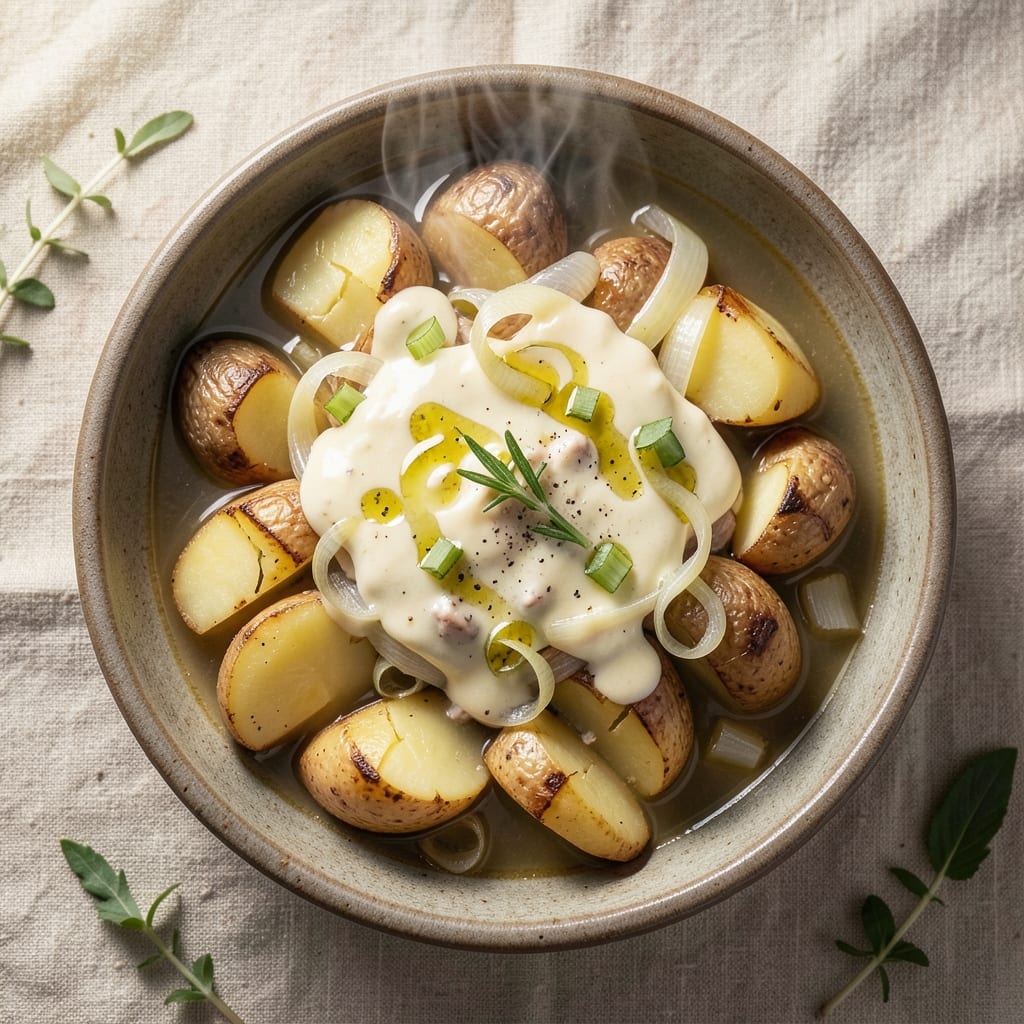
This Alpine soup recipe brings the crisp mountain air of the Swiss Alps to your kitchen with its velvety texture and nutty Gruyère crunch. The secret lies in slow-cooked potatoes, leeks, and cream, balanced by the sharpness of Gruyère cheese that melts into golden flakes. I’ve perfected this dish after years of testing—it’s rich yet light, hearty yet refined, and perfect for chilly evenings or cozy gatherings.
The foundation of this soup is a simple yet transformative technique: simmering potatoes and leeks until tender, then blending with cream for a silky base. What sets it apart is the Gruyère, which adds depth and a satisfying crunch when sprinkled on top. Unlike heavy cream soups, this one stays light thanks to the starchy potatoes absorbing excess richness. The result? A bowl of comfort that feels both rustic and elegant.
What you’ll achieve is a soup with layers of flavor—earthy leeks, creamy potatoes, and the unmistakable nuttiness of Gruyère. The texture is where the magic happens: tender vegetables, a smooth broth, and those crispy cheese flakes that add a restaurant-quality finish. This recipe is designed to impress without fuss, making it ideal for both weeknight dinners and special occasions.
For those who prefer a vegetarian option, simply omit any meat and focus on the cheese and vegetable base. The soup’s simplicity also makes it versatile—add a splash of cream for extra richness or a drizzle of olive oil for brightness. Ready in about 45 minutes, it’s a dish that delivers warmth and satisfaction with minimal effort. Let’s get cooking!
Ingredients for alpine soup
Potatoes, leeks, and Gruyère create this Alpine soup's signature mountain-inspired richness.
| Ingredient | Amount | Notes |
|---|---|---|
| Yukon Gold Potatoes 🥔 | 1 ½ lb | Peeled and cubed evenly |
| Leeks 🧅 | 2 whole | White and light green parts only |
| Heavy Cream 🥛 | 1 cup | Full-fat for richness |
| Gruyère Cheese 🧀 | 1 cup | Freshly grated, aged variety |
| Chicken Broth 💧 | 4 cups | Low-sodium preferred |
| Extra-Virgin Olive Oil 🫒 | 2 tbsp | For sautéing vegetables |
| Garlic Cloves 🧄 | 3 cloves | Minced for depth of flavor |
| Fresh Thyme 🌿 | ¼ cup | Leaves only, chopped |
| Salt 🧂 | 1 ½ tsp | Diamond Crystal preferred |
| Black Pepper 🌶️ | ½ tsp | Freshly ground for warmth |
| Butter 🧈 | 2 tbsp | Unsalted, for finishing |
| Fresh Chives 🌱 | 2 tbsp | Chopped, for garnish |
The Gruyère makes this soup stand out—look for aged wheels at specialty cheese shops or pre-shredded from Whole Foods if you're short on time. Freshly grated always melts better than pre-shredded. For the potatoes, Yukon Golds are ideal—their waxy texture holds up beautifully during simmering. Leeks should be thoroughly rinsed to remove any grit; save the dark green tops for stock. Trader Joe's often carries pre-sliced leeks, which cuts prep time in half. The chicken broth is non-negotiable for depth—homemade is best, but Pacific Foods or Swanson low-sodium options work in a pinch.
No Gruyère? Comté or Emmental are excellent substitutes, though the flavor will differ slightly. Short on heavy cream? Half-and-half with an extra splash of cream keeps the soup rich without being overly heavy. Fresh thyme is ideal, but dried thyme at one-third the amount works if you're out. The garlic can be roasted for a sweeter note—simply wrap whole cloves in foil with a drizzle of olive oil and roast at 400°F for 15 minutes. For extra umami, add a dash of white miso paste when blending the soup. The chives add a bright finish—if you're not a fan, parsley works just as well.
This soup tastes even better the next day as flavors meld. Store in an airtight container in the fridge for up to 4 days—the cheese continues to develop its nutty notes over time. For freezing, portion into individual containers; it reheats beautifully from frozen, though you may need to add a splash of broth or cream to restore creaminess. The butter finishing touch should be added just before serving—it keeps the soup's texture velvety smooth. Portion with crusty bread and a simple green salad for a complete Alpine-inspired meal.
Why You'll Love This Recipe
- One-Pot Magic: I swear by this recipe—just toss the potatoes, leeks, and broth in one pot, simmer, and boom. No chopping boards to wash, no extra pans. The Gruyère melts right in, and honestly? That’s half the battle won.
- Creamy Cheesy Bliss: Between us, the heavy cream and Gruyère combo is next-level—rich but not heavy, nutty but not overpowering. The leeks add this subtle sweetness that makes every spoonful feel like a hug. (Yes, even on a Tuesday night.)
- Leftovers That Don’t Suck: This soup actually tastes better the next day. The potatoes soak up the broth, the cheese gets even gooier, and I’ve sent it to work with coworkers—no complaints. Just reheat, add a splash of cream, and you’re golden.
- Budget-Friendly Luxury: Gruyère might sound fancy, but you only need a handful to make it feel special. Yukon Golds are cheaper than reds, and leeks last forever in the fridge. It’s the kind of meal that makes you feel like you splurged, without the splurge.
Step-by-step instructions for alpine soup
Here's how to craft this velvety alpine-inspired soup with perfect texture and rich flavor.
Sauté Leeks and Garlic Until Translucent
Heat the 2 tablespoons extra-virgin olive oil in a large Dutch oven over medium heat. Add the white and light green parts of the 2 whole leeks, sliced into ¼-inch rounds, and cook for 8-10 minutes until completely softened and translucent. You'll see the edges begin to caramelize slightly—that's when you know they're ready.
Add the 3 minced garlic cloves and cook for another 30 seconds until fragrant. Be careful not to let the garlic brown, or it will turn bitter. This foundational step builds the soup's depth of flavor by developing the leeks' natural sweetness and enhancing the garlic's aromatic qualities.
Add Potatoes and Broth for Simmering
Stir in the 1.5 pounds peeled and cubed Yukon Gold potatoes and pour in the 4 cups chicken broth. Bring to a gentle boil, then reduce heat to medium-low and let it simmer uncovered for 15 minutes. You'll see the potatoes begin to soften and the broth reduce slightly, creating a more concentrated flavor base.
After 15 minutes, taste the broth. It should be flavorful but not overly salty. If needed, adjust seasoning with the 1.5 teaspoons salt and 0.5 teaspoon black pepper. This step ensures your potatoes absorb the broth's flavor while developing a tender texture without turning mushy.
Incorporate Thyme and Cream for Richness
Stir in the 0.25 cup chopped fresh thyme and simmer for 5 minutes to allow the herbs to release their essential oils. Remove the pot from heat and carefully whisk in the 1 cup heavy cream. This step is critical—adding the cream off the heat prevents it from curdling while ensuring a smooth, velvety texture.
Return the soup to low heat and let it simmer gently for 3-4 minutes until it reaches your desired consistency. The soup should be thick but still coat the back of a spoon easily. If it's too thick, whisk in 2-3 tablespoons of hot broth to loosen it. The thyme adds an alpine herbal note that complements the cream's richness perfectly.
Finish with Gruyère and Butter for Crunch
Reduce heat to low and stir in the 1 cup freshly grated Gruyère cheese until fully melted and smooth. The cheese should create a glossy, creamy finish. Remove from heat and stir in the 2 tablespoons butter, letting it melt completely. This final step adds luxurious mouthfeel and a subtle nutty depth that defines alpine cuisine.
Taste and adjust seasoning if needed. Ladle the soup into bowls and garnish immediately with 2 tablespoons chopped fresh chives. The Gruyère should create a delicate, crispy crust on top when served, adding both texture and visual appeal. Serve with crusty bread to soak up every last drop of this comforting alpine creation.
Pro Tips For Making Alpine Soup
- Sear the Leeks First: Don’t just toss raw leeks into the pot—they’ll turn to mush. After slicing, heat your broth in a pot until it’s actually simmering, then add the leeks and let them sit for 3-4 minutes without stirring. They’ll soften and caramelize just enough to add depth, not turn into a sad, watery base. (Yes, even if you’re impatient like me.)
- Cut Potatoes Unevenly: Skip the uniform slices—this soup needs texture. Cut Yukon Golds into chunks where some pieces are twice the size of others. The larger ones stay hearty, while the smaller ones dissolve into creaminess. I learned this the hard way after serving a soup where every bite was the same consistency.
- Temper the Cream: Heavy cream straight from the fridge will curdle when it hits the hot broth. Warm it first—just heat a splash of broth in a separate cup, then whisk it into the cream until it’s lukewarm before adding it to the pot. This keeps the soup silky, not lumpy. (Your future self will thank you.)
- Grate Gruyère Coarse: Don’t pulse it in the food processor—you’ll end up with a paste that melts into nothing. Use a box grater and hold back on the pressure so the cheese stays in chunks. They’ll melt into a glossy blanket on top, not disappear into the soup. (I was skeptical until I tried it.)
Storing and reheating your alpine soup
Refrigerator Storage
Let your alpine soup cool to room temperature (about 30-45 minutes) before transferring to an airtight container. I use glass containers with tight-sealing lids—they preserve flavor better than plastic. Store at 40°F or below for up to 4 days. The Gruyère continues to develop its nutty notes in the fridge, making flavors even more complex the next day. 🥣
Freezer-Friendly Tips
For longer storage, freeze in quart-sized freezer bags or airtight containers. Leave 1-inch headspace since soup expands when frozen. I recommend freezing in single-serving portions for easy reheating. Thaw overnight in the fridge before reheating—never microwave from frozen to preserve texture. 🧊
Stovetop Reheating
My preferred method is stovetop reheating. Transfer soup to a pot over medium-low heat and warm gently, stirring occasionally. Add 1-2 tablespoons of broth or cream if the soup appears too thick. Bring to a simmer, then reduce heat to maintain warmth. The butter finishing should be added fresh after reheating for that perfect velvety texture. 🔥
Microwave Method
For quick reheating, use the microwave on 50% power in 2-minute intervals, stirring between each. Cover with a damp paper towel to prevent drying. If the soup separates, whisk vigorously to restore creaminess. The Gruyère may separate slightly—just stir it back in while warm. 💫
Texture Preservation
To maintain that alpine creaminess, never boil the soup after reheating. Keep heat at low and stir frequently. If you're reheating from frozen, plan for an extra 5-10 minutes of gentle warming. The chives should be added fresh after reheating to preserve their bright flavor. 🌿
Serving Suggestions
Serve immediately after reheating with freshly toasted baguette slices or crusty bread. The contrast of warm bread with creamy soup is pure comfort. For extra alpine flair, garnish with additional Gruyère flakes and a drizzle of extra-virgin olive oil right before serving. 🥖
Nutrition facts
Frequently asked questions
Can I make this alpine soup vegetarian?
Simply replace the chicken broth with vegetable broth and omit any meat components. The Gruyère and cream will still create that rich, alpine-inspired flavor without sacrificing depth. For extra umami, add a dash of nutritional yeast or a splash of white wine when simmering. The texture and creaminess remain identical!
Why does my alpine soup turn out watery?
Watery soup usually happens when potatoes aren't cooked long enough or too much broth is added. Simmer the potatoes uncovered for the full 15 minutes to let excess moisture evaporate. For a thicker consistency, mash a few cooked potatoes against the pot sides or whisk in 1-2 tablespoons of cornstarch mixed with water. The cream should be added off-heat to prevent curdling.
What's the best cheese substitute for Gruyère?
If you can't find Gruyère, try Comté, Emmental, or even sharp cheddar for a similar nutty flavor. For a stronger alpine taste, use Parmesan mixed with a touch of cream cheese. Just remember: freshly grated cheese melts better than pre-shredded. The key is choosing a cheese with good melting properties and a slightly sharp, nutty profile.
Can I make this soup ahead of time?
This soup actually tastes better the next day! Store it in an airtight container in the fridge for up to 4 days. The flavors meld beautifully, and the Gruyère develops more complex nutty notes. Reheat gently on the stove—never microwave directly from the fridge to maintain that creamy texture. The chives should be added fresh before serving.
How do I prevent the cream from curdling?
Curdling happens when cream is added to hot soup. Always whisk the cream in off the heat and return the soup to low heat for just 3-4 minutes to warm through gently. For extra insurance, mix the cream with a splash of cold broth before adding. If it starts to separate, whisk vigorously or add a small piece of butter to restore smoothness.