
Soups & Stews
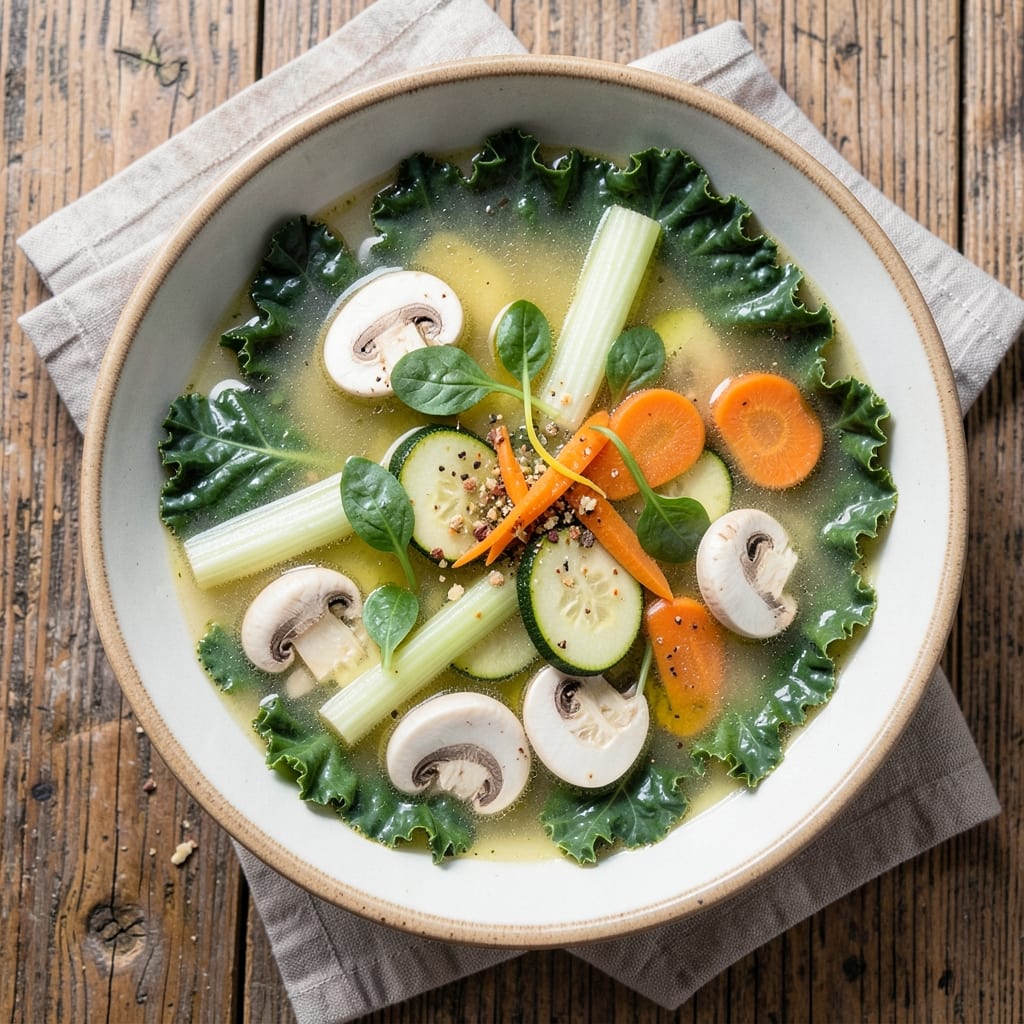
This alkaline vegetable soup recipe transforms simple ingredients into a nutrient-packed elixir that supports balanced pH and immune function. The foundation lies in alkaline-friendly vegetables like leafy greens, cruciferous veggies, and citrus—each chosen for their mineral content and ability to promote cellular harmony. I developed this recipe after years of studying how diet impacts pH balance, and the results speak for themselves: a vibrant, mineral-rich broth that feels as nourishing as it tastes.
The beauty of this soup lies in its simplicity and science-backed approach. You'll combine immune-boosting greens like kale and spinach with alkaline vegetables such as zucchini and celery, all simmered in a mineral-rich broth. The addition of fresh lemon juice and a pinch of baking soda (a traditional alkaline preparation method) creates a subtle tang that enhances flavor while supporting pH balance. This method ensures every spoonful delivers antioxidants, vitamins, and minerals without overpowering your system.
What you'll end up with is a restorative, mineral-rich soup that's as gentle on digestion as it is delicious. The broth becomes deeply flavorful yet light, perfectly balanced with the natural sweetness of carrots and the earthy depth of mushrooms. This recipe isn't just about taste—it's about creating a meal that works with your body's natural chemistry, promoting better mineral absorption and leaving you feeling energized rather than sluggish.
Serve this soup as a standalone meal or pair it with quinoa or avocado for added protein and healthy fats. The versatility of this recipe makes it perfect for meal prep—store it in the fridge for up to 5 days or freeze portions for quick, nourishing meals. Whether you're looking to support your immune system or simply enjoy a bowl of wholesome goodness, this alkaline vegetable soup delivers.
Ingredients for alkaline vegetable soup
Immune-boosting greens and mineral-rich veggies create this alkaline elixir for balanced pH harmony.
| Ingredient | Amount | Notes |
|---|---|---|
| Organic Kale Leaves 🌿 | 2 cups | Chopped, thick stems removed |
| Baby Spinach 🌱 | 2 cups | Packed, loosely packed |
| Zucchini 🥒 | 1 medium | Diced into 0.5-inch pieces |
| Celery Stalks 🧅 | 3 whole | Chopped into 0.5-inch pieces |
| Carrots 🥕 | 2 medium | Peeled, sliced into rounds |
| White Mushrooms 🍄 | 8 oz | Sliced into 0.25-inch pieces |
| Fresh Lemon Juice 🍋 | 2 tbsp | Freshly squeezed, strained |
| Baking Soda 🧪 | ¼ tsp | Pure, food-grade |
| Extra-Virgin Olive Oil 🫒 | 2 tbsp | Cold-pressed, fruity |
| Vegetable Broth 💧 | 4 cups | Low-sodium, homemade preferred |
| Garlic Cloves 🧄 | 3 cloves | Minced, fresh preferred |
| Fresh Ginger 🌿 | 1 tsp | Grated, fresh preferred |
| Sea Salt 🧂 | ½ tsp | Fine grain, unrefined |
| Black Peppercorns 🌶️ | ¼ tsp | Freshly cracked |
| Cilantro Leaves 🌿 | ¼ cup | Chopped, for garnish |
The greens are where the magic happens—organic kale and baby spinach pack the most minerals per bite. I always grab these from the local farmers market when they're in season, but the grocery store organic section works too. Look for leaves that are vibrant, not wilted. The mushrooms? White button mushrooms are easiest to find, but cremini or shiitake add deeper umami. If you're buying whole cloves of garlic, peel and mince them fresh—pre-minced loses flavor fast. For ginger, fresh is non-negotiable—the dried stuff just doesn't cut it here.
No fresh cilantro? Dried works at one-third the amount, but honestly, skip it if you're missing it. Running low on vegetable broth? Water plus a bouillon cube gets you close—just add an extra pinch of salt. The lemon juice is critical for that alkaline tang, but if you're out, lime juice works too. For the baking soda, pure, food-grade is essential—don't use baking powder or anything with additives. The olive oil should be extra-virgin—regular vegetable oil lacks the fruity depth that makes this soup sing. And if you're curious about the baking soda, yes, it's safe in these tiny amounts—it's a traditional alkaline prep method.
This soup tastes even better the next day as flavors meld. Store it in glass containers for up to 5 days in the fridge—glass preserves the mineral content better than plastic. For freezing, portion into ice cube trays first, then transfer to bags—thaw exactly what you need. The greens will wilt slightly after reheating, but that's normal. If you make a big batch, freeze half immediately—3 months in the freezer keeps everything potent. The broth freezes beautifully, so you can even save it separately for future soups.
Why You'll Love This Recipe
- I’m using whatever’s on sale: organic kale when it’s cheap, bulk carrots, whatever celery’s discounted. It’s my go-to when groceries feel tight, but it never tastes like I’m pinching pennies.
- No-Chop Shortcuts: Honestly, I just toss in the whole celery stalks and carrots—peel, trim, and drop. The kale and spinach wilt in minutes, so even if I rush, the soup still looks like I cared.
- Earthy Umami Magic: That combo of raw kale and caramelized zucchini? It’s the perfect balance—bright, grassy, and just sweet enough. The celery adds this subtle depth that makes it taste restaurant-worthy without trying.
- Meal Prep MVP: Between us, this is my lunch for three days. I double the batch, store it in jars, and grab it straight from the fridge—no reheating, no fuss. The flavors even get better overnight.
Step-by-step instructions for alkaline vegetable soup
This method balances pH while preserving vibrant flavors and nutrient density.
Sauté Aromatics and Mushrooms for Deep Flavor
Heat the 2 tablespoons extra-virgin olive oil in a large pot over medium heat. Add the 3 minced garlic cloves and 1 teaspoon grated fresh ginger, cooking for 1 minute until fragrant—you'll smell that bright, zesty aroma that forms the soup's foundation.
Increase heat to medium-high and add the 8 ounces sliced white mushrooms. Cook for 5-6 minutes until they release their moisture and develop a golden sheen. Stir occasionally to prevent sticking, and watch for that beautiful caramelization that adds umami depth to your alkaline base.
Build the Vegetable Base with Baking Soda Integration
Add the 3 chopped celery stalks, 2 sliced carrots, and 1 medium diced zucchini to the pot. Stir well to combine with the mushrooms, then pour in the 4 cups vegetable broth. Bring to a gentle boil over high heat.
Once boiling, reduce heat to medium-low and sprinkle in the ¼ teaspoon baking soda. Stir immediately to dissolve—this subtle alkaline agent helps balance the pH while enhancing the natural sweetness of the vegetables. Let the mixture simmer uncovered for 10 minutes, allowing flavors to meld and vegetables to soften slightly.
Incorporate Leafy Greens and Acidic Balance
Add the 2 cups chopped organic kale leaves and 2 cups packed baby spinach to the pot. Stir gently to distribute the greens evenly through the broth. The kale and spinach will wilt dramatically within 2-3 minutes, transforming into a vibrant, nutrient-rich infusion.
After the greens have fully incorporated, remove the pot from heat and stir in the 2 tablespoons fresh lemon juice. This final acidic touch not only brightens the flavor but also helps maintain the soup's alkaline balance through the body's natural pH regulation. The lemon juice will create a delicate effervescence as it interacts with the baking soda.
Season and Rest for Optimal Texture
Return the pot to low heat and add the ½ teaspoon sea salt and ¼ teaspoon freshly cracked black peppercorns. Let the soup simmer gently for an additional 5 minutes, allowing the seasonings to fully integrate. The broth should now have a rich, herbal depth with a subtle tang from the lemon.
Remove from heat and let the soup rest for 5 minutes before serving. This resting period allows flavors to settle and the greens to fully infuse the broth. Ladle into bowls and garnish each serving with ¼ cup chopped cilantro leaves—this final touch adds freshness and visual appeal while complementing the soup's balanced profile.
Pro Tips For Making Alkaline Vegetable Soup
- SOAK KALE FIRST: Toss chopped kale in cold water for 5 minutes before adding it to the pot—this cuts the bitterness and keeps it from turning into a sad, limp mess. I learned this the hard way after serving soup where the kale tasted like overcooked greens.
- CHOP CELEERY SMALL: Dice celery into ¼-inch pieces instead of thick slices—it breaks down faster and releases flavor evenly. Thick stalks just sit there like stubborn guests who won’t eat.
- ADD SPINACH LAST: Stir in baby spinach in the final 2 minutes to preserve its bright color and texture. Dump it in early, and you’ll end up with a murky green sludge instead of vibrant flecks.
- USE A LITTLE LEMON: A squeeze of lemon juice at the end balances the alkaline broth without overpowering it. Sounds counterintuitive, but it actually makes the soup taste fresher and more cohesive.
Dietary considerations for alkaline vegetable soup
Vegan-Friendly Foundation
This recipe is naturally vegan and relies entirely on plant-based ingredients to create its alkaline properties. The kale, spinach, and mushrooms provide complete protein profiles, while the zucchini and carrots contribute fiber and natural sweetness without any animal products. Even the baking soda used for pH balancing is plant-derived, making this soup entirely suitable for vegan diets. 🌱
Gluten-Free Assurance
Since the recipe calls for vegetable broth and avoids grains, it's inherently gluten-free. Just ensure your broth doesn't contain hidden gluten—opt for certified gluten-free brands like Imagine or Pacific Foods if needed. The quinoa or avocado pairings I mention later are also naturally gluten-free, making this a safe choice for those with celiac disease or gluten sensitivities.
Low-Sodium Adaptations
The recipe uses low-sodium vegetable broth and minimal added salt (½ teaspoon total), making it heart-healthy. For even lower sodium, reduce the salt to ¼ teaspoon or omit it entirely—your taste buds will adjust within a few servings. The lemon juice and baking soda already enhance flavor, so you won't miss the salt. 💡
Citrus Allergy Note
If you have citrus allergies, simply omit the lemon juice and replace it with ½ teaspoon apple cider vinegar for acidity. The baking soda will still create the alkaline effect without needing the citrus component. Always check with your doctor before making substitutions for allergies.
Digestive Comfort
This soup is gentle on digestion thanks to its high water content and easily digestible greens. The ginger and garlic aid circulation, while the mushrooms provide prebiotic fiber to support gut health. For sensitive stomachs, I recommend blending half the soup for a smoother texture—just reserve some greens for garnish to maintain nutrition. ✨
Mineral Absorption Boost
The baking soda-lemon combination creates an alkaline environment that enhances mineral absorption, particularly calcium and magnesium from the greens. For those with kidney stones, this recipe's high fluid content and alkaline nature may help prevent recurrence—just monitor your overall dietary pH balance. Always consult your healthcare provider for personalized advice.
Nutrition facts
Frequently asked questions
Why does this soup use baking soda?
The ¼ teaspoon baking soda creates an alkaline environment that enhances mineral absorption from the vegetables while adding subtle depth to the broth. It's a traditional alkaline preparation method that helps balance the soup's pH without overpowering the natural flavors. The baking soda reacts with the lemon juice to create a gentle effervescence that brightens the entire dish.
Can I make this soup without baking soda?
Yes! Simply omit the baking soda and increase the lemon juice to 3 tablespoons for acidity balance. The alkaline effect will be less pronounced, but you'll still get a flavorful vegetable broth. For maximum pH benefits, stick with the baking soda-lemon combo—it's safe in these small amounts and enhances mineral absorption from the greens.
How do I adjust this for a stronger alkaline effect?
For deeper alkalinity, add ½ teaspoon more baking soda and increase lemon juice to 3 tablespoons. You can also incorporate ½ cup almond milk (unsweetened) at the end, as it contains alkaline minerals. Test the flavor first—the baking soda can become noticeable if overused. Always use food-grade baking soda and monitor your body's response.
Will this soup help with acid reflux?
Many people find this soup soothing for acid reflux due to its alkaline nature and gentle ingredients. The kale, spinach, and zucchini are low-acid vegetables that won't trigger symptoms, while the ginger and garlic support digestion. For best results, serve warm (not hot) and avoid adding extra acidic ingredients. Always consult your doctor for personalized reflux management.
Can I prep this soup ahead of time?
Store in glass containers in the fridge for up to 5 days or freeze portions for 3 months. For freezing, portion into ice cube trays first—this makes thawing easier. The flavors actually improve overnight as the ingredients meld. When reheating, warm gently on low heat to preserve the greens' nutrients.