
Soups & Stews
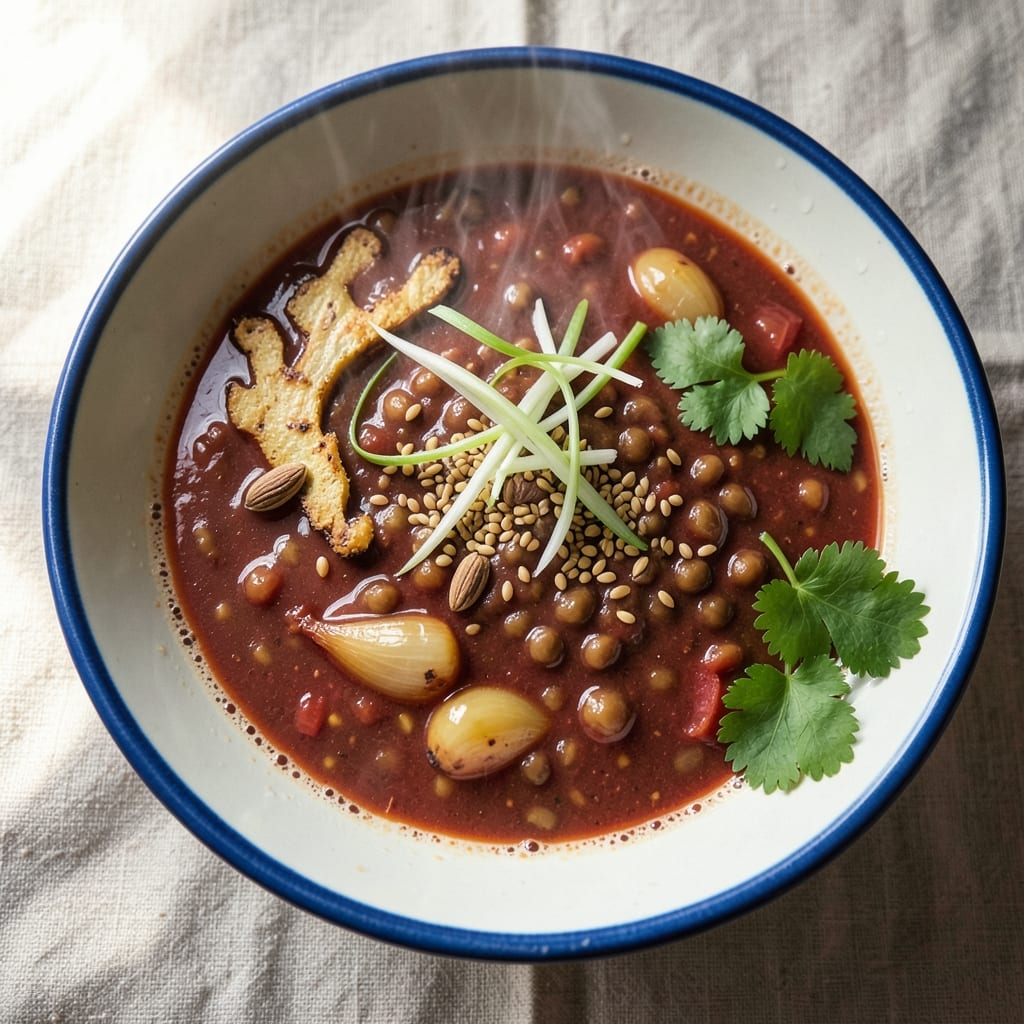
This African lentil soup recipe delivers deep, aromatic flavors that transport you straight to the heart of Ethiopian kitchens—where berbere spice and coconut cream create a perfect harmony. The secret lies in slow-cooked lentils that become tender yet hold their shape, while the berbere spice blend adds layers of earthy, slightly spicy complexity. I developed this version after years of perfecting the balance between traditional techniques and modern convenience, ensuring every spoonful is rich, satisfying, and full of cultural authenticity.
What sets this recipe apart is the two-stage cooking process: first building a fragrant base with onions, garlic, and ginger, then simmering the lentils with tomatoes and aromatic spices until they're perfectly tender. The addition of coconut cream at the end adds a luxurious creaminess that rounds out the dish without overpowering the earthy flavors. This soup is hearty enough to stand alone but pairs beautifully with crusty bread or traditional injera for a complete meal experience.
The result is a soup that's deeply flavorful yet comforting, with lentils that stay intact yet soft, and a broth that's rich and aromatic. The berbere spice adds warmth and complexity, while the coconut cream brings a subtle sweetness that balances the earthy notes. It's the kind of dish that gets better with time as the flavors meld together, making it perfect for meal prep or serving to guests who appreciate bold, authentic flavors.
Whether you're serving this as a main course or a side dish, the versatility of this recipe makes it a staple in any kitchen. The spices can be adjusted to suit your heat preference, and it works equally well with brown or green lentils. Let's create this soul-warming bowl of goodness that brings a taste of Africa to your table.
Ingredients for african lentil soup
Six aromatic spices, tender lentils, and rich coconut cream make this soulful African-inspired dish.
| Ingredient | Amount | Notes |
|---|---|---|
| Brown Lentils 🌾 | 1 ½ cups | Rinsed before cooking |
| Yellow Onions 🧅 | 2 whole | Diced, medium size |
| Garlic Cloves 🧄 | 6 cloves | Minced, fresh preferred |
| Fresh Ginger 🌿 | 1 tbsp | Grated, peeled root |
| Berbere Spice Blend 🌶️ | 2 tbsp | Authentic Ethiopian blend |
| Canned Crushed Tomatoes 🍅 | 1 can | 28 oz, San Marzano if possible |
| Vegetable Broth 💧 | 4 cups | Low-sodium preferred |
| Coconut Cream 🥥 | ½ cup | Full-fat, not coconut milk |
| Lemon Juice 🍋 | 1 tbsp | Freshly squeezed |
| Extra-Virgin Olive Oil 🫒 | ¼ cup | For sautéing |
| Sea Salt 🧂 | 1 ½ tsp | Diamond Crystal preferred |
| Ground Black Pepper 🌶️ | ½ tsp | Freshly cracked |
| Fresh Cilantro 🌿 | ¼ cup | Chopped, for garnish |
| Cumin Seeds 🌿 | ½ tsp | Toasted lightly |
| Cardamom Pods 🌿 | 3 whole | Lightly crushed |
The berbere spice is non-negotiable here—Ethiopian Epicurean or Spicewalla brands deliver authentic flavor. If you can't find berbere, mix 1 tbsp paprika, 1 tsp cayenne, 1 tsp coriander, 1 tsp fenugreek, and 1/2 tsp cardamom as a substitute. The coconut cream adds luxurious texture, so full-fat is a must—none of that watered-down stuff. For the lentils, brown hold their shape better than green, but green works too if that's what you've got. The ginger should smell bright and zesty—no musty roots here.
No berbere? Double the paprika and cayenne for heat, then add a pinch of cinnamon and allspice for depth. The tomatoes can be fresh if you're feeling fancy—just roast them first. Fresh cilantro is ideal for garnish, but dried works at one-third the amount. The cumin and cardamom are toasted in the oil first to wake up their flavors—don't skip this step. For extra richness, stir in 1 tbsp nutritional yeast at the end, but it's not required. The broth can be homemade or store-bought—just make sure it's vegetable-based.
This soup tastes even better the next day as flavors meld. Store in the fridge for up to 5 days or freeze for 3 months. I like to portion it into containers with a dollop of coconut cream on top—perfect for meal prep. The leftovers reheat beautifully, but add a splash of water if it gets too thick. For serving, keep the berbere and coconut cream on the side so everyone can adjust to taste. Trust me, the second bowl is always the best.
Why You'll Love This Recipe
- No Chopping Chaos: I swear by this—just dice one onion and mince garlic once. The ginger? Grate it while the lentils simmer. That’s it. No julienning, no stress.
- Berbere Magic: Honestly, this spice blend is the secret weapon. A teaspoon of berbere turns simple lentils into something smoky, citrusy, and just spicy enough to linger. The ginger and garlic make it sing.
- Leftovers That Shine: Make a big pot on Sunday, and you’ve got lunch for Wednesday. Taste even better the next day—lentils soften perfectly, and the flavors deepen like a good stew.
- Budget Meal for Crowds: Brown lentils are dirt cheap, and this recipe stretches to feed four (or two very hungry people). Add a baguette, and suddenly you’ve got a filling, flavorful feast without breaking the bank.
Step-by-step instructions for African lentil soup
Here's how to create a rich, aromatic Ethiopian-inspired lentil soup that balances earthy spices with creamy coconut.
Toast the Spices for Maximum Flavor
Heat a dry skillet over medium heat and add the 0.5 tsp cumin seeds and 3 whole cardamom pods. Toast for 1-2 minutes until fragrant and the cumin seeds begin to pop—you'll smell their nutty aroma filling your kitchen. Remove from heat immediately to prevent burning.
In a small bowl, lightly crush the cardamom pods with the flat side of a knife to release their essential oils. This step unlocks the spices' full potential, creating a complex aromatic base for your soup. Keep these toasted spices handy as you'll add them back later in the cooking process.
Build the Flavor Base with Onions and Aromatics
In a large pot, heat the 0.25 cup extra-virgin olive oil over medium heat. Add the 2 whole diced yellow onions and cook for 5-6 minutes until softened and beginning to caramelize at the edges—this sweetens the onions and deepens the soup's flavor profile.
Add the 6 minced garlic cloves and 1 tbsp grated fresh ginger, cooking for another 1-2 minutes until fragrant. Here's where it gets good—stir in the 2 tbsp berbere spice blend and toast for 30 seconds. You'll see the spices darken slightly as their oils release, creating that signature Ethiopian warmth that makes this soup so special.
Develop the Soup's Rich Foundation
Pour in the 1 can crushed tomatoes and cook for 5 minutes, stirring occasionally. This step breaks down the tomatoes' acidity and allows their natural sweetness to emerge. Add the 1.5 cups rinsed brown lentils and 4 cups vegetable broth, stirring to combine.
Bring to a boil, then reduce heat to low-medium and simmer uncovered for 25-30 minutes, stirring occasionally. The lentils should be tender but still hold their shape—you'll know they're ready when they're fork-tender but not mushy. This is where the magic happens as all the flavors meld together into a harmonious broth.
Finish with Creamy Texture and Bright Acid
Stir in the toasted spices you prepared earlier along with the 1.5 tsp sea salt and 0.5 tsp ground black pepper. Add the 0.5 cup coconut cream and simmer for another 5 minutes, stirring gently. The coconut cream will create a beautiful velvety texture without making the soup overly rich.
Finally, stir in the 1 tbsp fresh lemon juice—this brightens the flavors and cuts through the richness of the coconut. Taste and adjust seasoning if needed, adding more salt or lemon juice as desired. The soup should have a perfect balance of earthy, spicy, creamy, and tangy flavors.
Serve Fresh with Garnishes
Ladle the soup into bowls and garnish with 0.25 cup chopped fresh cilantro. The cilantro adds a fresh, bright contrast to the rich, spiced lentils. Serve immediately while hot, with crusty bread to soak up every delicious spoonful.
This soup tastes even better the next day as the flavors continue to develop. Store leftovers in an airtight container in the refrigerator for up to 4 days, or freeze for 3 months. The berbere and cardamom flavors will only deepen with time, making reheated portions even more comforting.
Pro Tips For Making African Lentil Soup
- Sauté the Onions Slowly: I learned this the hard way—when you dump chopped onions into the pot and blast them with heat, they’ll just sit there, stubborn and watery. Instead, cook them on medium-low until they’re translucent and starting to caramelize (about 8-10 minutes). That sweet, golden base is what makes the soup sing—especially when you later add the berbere, which needs something rich to cling to.
- Toast the Berbere First: Skip the "just toss it in" approach. Dry-toast the berbere spice blend in the pot for 30 seconds before adding any liquids—you’ll smell it bloom like a firework. This deepens the flavors and prevents it from floating like a sad, flavorless dust. (Yes, even if you’re impatient like me.)
- Rinse Lentils Only If Needed: Brown lentils don’t need rinsing unless they’re coated in dust or debris—over-washing strips away their natural starch, which helps thicken the soup. Just pick through them for rocks or debris, then cook them in the broth. The starch will release on its own, giving you that perfect, velvety texture without gums.
- Simmer, Don’t Boil: After adding the lentils and broth, resist the urge to crank the heat. A gentle simmer (tiny bubbles, occasional swirls) keeps the lentils intact and lets the flavors meld. Boiling turns them mushy and makes the soup taste like it’s fighting for its life. Cover the pot and let it do its thing—25-30 minutes is enough.
Dietary considerations for african lentil soup
Vegan-Friendly Foundation
This African lentil soup is completely plant-based, making it perfect for vegans or anyone looking to reduce animal products. The coconut cream replaces traditional dairy, while vegetable broth ensures no animal ingredients sneak in. Even the berbere spice blend is naturally vegan, though always double-check labels if using store-bought versions. 🌱
Gluten-Free Adaptation
With no wheat or gluten-containing ingredients in the base recipe, this soup is naturally gluten-free. However, if serving with bread, opt for gluten-free flatbread or corn tortillas instead of traditional wheat-based options. The Ethiopian injera (made from teff flour) is another excellent gluten-free pairing that complements the berbere flavors beautifully.
Low-Sodium Options
To reduce sodium content, use low-sodium vegetable broth and omit added salt until the very end. Taste the soup before adding the 1.5 tsp sea salt, as the berbere and coconut cream already provide significant flavor. For extra umami without salt, stir in 1 tbsp soy sauce or tamari at the end—just ½ tsp adds depth without overpowering.
Allergen Considerations
This recipe contains coconut and cilantro, so check for allergies before serving. For coconut-free versions, replace the ½ cup coconut cream with ½ cup cashew cream (blended soaked cashews + water) or an extra splash of broth. If cilantro is problematic, garnish with fresh parsley or basil instead—both work beautifully with the berbere flavors.
Protein Boost
For added protein, stir in ½ cup cooked quinoa or ½ cup chickpeas during the final 5 minutes of simmering. Both options blend seamlessly into the soup while increasing its nutritional profile. I often add ½ cup cooked quinoa to my portions—it absorbs the broth beautifully and adds a satisfying texture. 💪
Nutrition facts
Frequently asked questions
Can I substitute green lentils for brown in this recipe?
Yes, but expect slightly different textures. Green lentils hold their shape better and stay firmer, while brown lentils become softer and creamier. For this recipe, brown lentils work best as they absorb the broth beautifully, creating that signature Ethiopian lentil soup consistency. If using green, simmer for 5-10 minutes less to prevent mushiness.
What makes berbere spice so special?
Berbere is the heart of Ethiopian cooking—it blends 12-15 spices including chili, fenugreek, coriander, and cardamom for a complex, earthy heat. The secret is toasting the spices first to unlock their aromatic oils. If you can't find berbere, mix paprika, cayenne, and fenugreek as a substitute, but nothing matches the authentic depth of the real blend.
How can I make this soup spicier?
For extra heat, add ½ tsp cayenne pepper with the berbere or stir in 1 tsp hot sauce at the end. For Ethiopian-style heat, try mitmita powder (Ethiopian bird's eye chili) or fresh jalapeños. Remember—spices build in flavor, so start conservatively and adjust to taste.
Can I prepare this soup ahead of time?
This soup tastes even better the next day as flavors meld. Store in an airtight container for up to 5 days in the fridge. For freezing, portion into containers with coconut cream on top—it reheats beautifully. Just add a splash of water if it thickens too much when reheating.
What's the best way to serve this African lentil soup?
Pair it with Ethiopian injera (teff flatbread) or crusty sourdough to soak up the rich broth. For a complete meal, serve with a simple salad or steamed greens. The coconut cream and berbere flavors also work beautifully with rice or roasted vegetables on the side.