
Soups & Stews
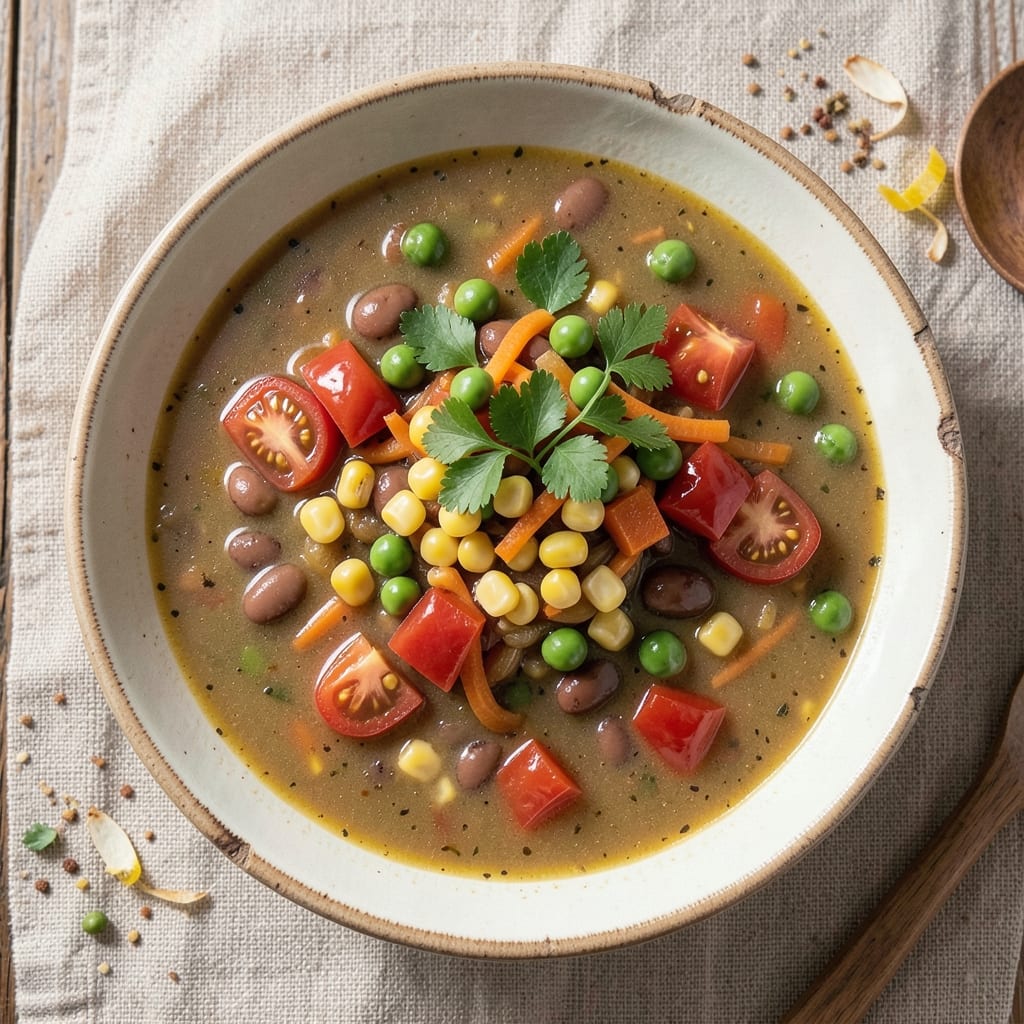
This 5-can vegetable soup recipe transforms pantry staples into a hearty, umami-rich meal in just 30 minutes—no fresh ingredients required. The secret lies in balancing canned tomatoes, beans, and corn with aromatic broth and spices, creating a soup that's deeply satisfying without requiring a farmers' market trip. I developed this recipe during a particularly busy week when fresh vegetables were out of reach, and it's become my go-to for quick, nourishing dinners that don't compromise on flavor.
The beauty of this soup is its versatility—it works as a standalone meal or pairs perfectly with crusty bread, and it's easily adaptable for dietary preferences. A simple broth base (vegetable or chicken) forms the foundation, while canned vegetables like carrots, peas, and corn add natural sweetness and texture. The key is simmering everything together long enough for the flavors to meld, creating a harmonious blend of earthy, tangy, and slightly sweet notes.
What you'll end up with is a rich, comforting soup that's packed with plant-based protein from beans and hearty vegetables, all while being incredibly easy to prepare. The texture is perfect—creamy from the beans and tomatoes, with just enough bite from the corn and peas. It reheats beautifully, making it ideal for meal prep, and the flavor only deepens as it sits, proving that pantry staples can deliver restaurant-quality results.
Whether you're feeding a family, meal prepping for the week, or simply craving a comforting bowl of soup, this recipe delivers foolproof, restaurant-quality results with minimal effort. The best part? You can customize it with your favorite canned vegetables or spices, ensuring every bowl is tailored to your taste. Let's get cooking!
Ingredients for 5 can vegetable soup
Five cans plus pantry staples—this hearty soup proves you don't need fresh ingredients for restaurant-quality flavor.
| Ingredient | Amount | Notes |
|---|---|---|
| Vegetable Broth 💧 | 4 cups | Low-sodium preferred for flavor control |
| Canned Diced Tomatoes 🍅 | 14 ½ oz | San Marzano preferred for sweetness |
| Canned Kidney Beans 🌱 | 15 oz | Drained and rinsed thoroughly |
| Canned Corn Kernels 🌽 | 15 oz | Drained for proper texture |
| Canned Carrots 🥕 | 15 oz | Diced chunks for texture |
| Canned Green Peas 🌿 | 15 oz | Whole peas preferred |
| Dried Onion Flakes 🧅 | 1 tbsp | Or 1/4 tsp onion powder |
| Dried Garlic Granules 🧄 | 1 tsp | Or 1 fresh clove minced |
| Dried Thyme 🌿 | ½ tsp | Or 1 tsp fresh chopped |
| Bay Leaves 🍃 | 2 whole | Removed before serving |
| Salt 🧂 | 1 tsp | Kosher or sea salt |
| Black Pepper 🌶️ | ½ tsp | Freshly ground for best flavor |
| Olive Oil 🫒 | 1 tbsp | For finishing drizzle |
The canned vegetables are the soul of this soup, so don't skimp on quality. Store-brand cans work fine, but Muir Glen or Del Monte tomatoes and Libby's beans add that extra depth. Look for cans without BPA lining if you're health-conscious. The kidney beans provide protein and creaminess, while the corn and peas add natural sweetness. Pro tip: Check the 'best by' dates—older cans can make the soup taste flat. I always grab the smallest cans first when stocking my pantry, as they're perfect for single servings or small batches.
No San Marzano tomatoes? Any good-quality canned tomatoes will work—just add a pinch of sugar if they taste too acidic. Swapping kidney beans for chickpeas or black beans changes the texture but keeps the protein. The dried onion and garlic granules are flavor powerhouses—if you prefer fresh, 1/4 tsp onion powder equals 1 tbsp flakes and 1 fresh clove equals 1/2 tsp granules. For extra umami, add 1/2 tsp soy sauce or 1 tsp miso paste when you taste the soup. The bay leaves infuse deep flavor, but don't overlook them—they're the secret to that restaurant-quality taste.
This soup tastes even better the next day, so make a double batch and freeze half. Store leftovers in airtight containers for up to 5 days in the fridge or 3 months in the freezer. I like to portion it into 4-cup servings for easy reheating. To serve, give it a quick stir and drizzle with olive oil—that's where the magic happens. The texture thickens as it sits, so add a splash of broth if it gets too thick when reheating.
Why You'll Love This Recipe
- No Chopping Nightmares: I’ll be real—this soup is literally five cans plus broth. No dice, no julienne, no crying over onions. The carrots stay whole, the beans drain in seconds, and the corn? Just pour it straight from the can. That’s 15 minutes max, and zero cleanup that isn’t a quick rinse.
- Tomato-Corn Magic: Between us, the combo of diced tomatoes and sweet corn is chef’s kiss. The acidity from the tomatoes cuts through the richness of the broth, while the corn adds this little burst of summery sweetness that makes every spoonful feel like a hug. Add a pinch of salt and a squeeze of lemon, and it’s dangerously addictive.
- Leftovers That Don’t Lie: This soup tastes better the next day. Honestly. The flavors meld, the carrots soften just right, and the beans get this cozy texture that’s impossible to resist. I make a double batch on Sundays—one for dinner, one for lunch—and it’s always gone by Wednesday. No sad, wilted leftovers here.
- Pantry Staple Power: I swear by this when my wallet’s tight or my fridge is bare. Five cans? That’s under $5, easy. And it feeds four without breaking a sweat. Bring it to a potluck, pack it for work, or just eat it straight from the pot—it’s the ultimate no-fuss, always-works meal that doesn’t judge your grocery budget.
Step-by-step instructions for pantry vegetable soup
This soup comes together faster than you can say "umami bomb"—just 30 minutes from pantry to pot.
Sauté Aromatics in Olive Oil
Heat the 1 tablespoon olive oil in a large pot over medium heat. Add the 1 tablespoon dried onion flakes and 1 teaspoon dried garlic granules, stirring constantly for 1-2 minutes until fragrant. You'll smell that earthy, warm aroma—this is where the flavor foundation begins.
Here's the thing—don't let the onions burn. If they start to darken too quickly, reduce the heat slightly. We're building layers of flavor, not charred bits. The onions should look dry and slightly toasted, not crispy or browned.
Add Vegetables and Simmer
Pour in the 4 cups vegetable broth and bring to a gentle boil. Add the 14.5 ounces canned diced tomatoes (with juices), 15 ounces canned kidney beans (drained and rinsed), 15 ounces canned carrots, 15 ounces canned green peas, and 15 ounces canned corn kernels. Stir everything together to distribute the vegetables evenly.
Add the 2 whole bay leaves, 0.5 teaspoon dried thyme, 1 teaspoon salt, and 0.5 teaspoon black pepper. Reduce heat to medium-low and let it simmer uncovered for 15-20 minutes. You want the vegetables to soften slightly but still maintain their texture—think al dente rather than mushy.
Adjust Seasoning and Finish
After simmering, taste the soup and adjust seasoning if needed. The low-sodium broth should give you a good base, but you might want to add a pinch more salt or a crack of black pepper. The tomatoes should contribute natural sweetness, but if you want to enhance it, a squeeze of lemon juice works wonders.
For that restaurant-quality finish, drizzle in the remaining 1 tablespoon olive oil while the soup is still hot. This creates a beautiful sheen on top and adds richness. Serve immediately with crusty bread to soak up every last drop of that hearty vegetable broth.
Optional Garnish and Serving
Remove the 2 bay leaves before serving—you don't want them in your final dish. For an extra touch, garnish each bowl with a sprinkle of fresh parsley if you have it, or a dash of red pepper flakes for heat lovers.
This soup is perfect for meal prep too. It tastes even better the next day as the flavors meld together. Store leftovers in the refrigerator for up to 5 days or freeze for 3 months. The texture might change slightly when reheated, but the flavor will only improve!
Pro Tips For Making 5 Can Vegetable Soup
- DRAIN AND RINSE BEANS: That salty bean juice? It’ll turn your soup into a brothy salt bomb. Drain the kidney beans and give them a quick rinse under cold water—even if the can says "low sodium." I learned this the hard way after serving soup so salty my roommate actually measured the sodium content.
- SIMMER, DON’T BOIL: Crank the heat to get the broth moving, then drop it to a gentle simmer—think tiny bubbles, not rolling chaos. Boiling shreds the canned carrots into mush and turns the tomatoes into a watery mess. Keep it at a steady simmer for 15-20 minutes, and the flavors will actually meld instead of fight.
- CHOP TOMATOES HALF: Skip the diced tomatoes from the can—open them and roughly chop them into ½-inch chunks before adding. You’ll get bigger, meatier pieces that hold up better and taste fresher. (Yes, it’s an extra 30 seconds, but your soup won’t taste like it came from a can.)
- STIR IN CORN LAST: Add the corn kernels only in the final 5 minutes of cooking. Starch from the corn thickens the soup if it sits too long, turning it gluey. Toss them in at the end, and they’ll stay bright and sweet—just like they should. (Your future self will notice the difference.)
Dietary considerations for 5 can vegetable soup
Vegetarian-Friendly Base
This soup is naturally vegetarian and packed with plant-based protein from the kidney beans, making it perfect for meat-free diets. The canned tomatoes and vegetables provide essential vitamins like vitamin A from carrots and vitamin C from peas, while the beans contribute fiber and iron—key nutrients for energy and digestion. 🌱
Vegan Adaptations
To make this soup vegan, simply use vegetable broth instead of chicken broth—no other substitutions are needed! The recipe already avoids animal products entirely, so it's ready for plant-based diets as-is. For extra richness, stir in 1 tablespoon nutritional yeast at the end for a cheesy flavor without dairy.
Gluten-Free Assurance
All ingredients in this recipe are naturally gluten-free, assuming you use a certified gluten-free vegetable broth. Double-check labels on canned goods if you're highly sensitive, as some brands may process products in gluten-containing facilities. The dried spices and olive oil are also safe for gluten-free diets.
Low-Sodium Options
Since this recipe uses low-sodium vegetable broth, you can control the saltiness perfectly. If you prefer even less sodium, reduce the added salt to ½ teaspoon or omit it entirely—let the natural flavors of the tomatoes and beans shine. For extra umami without salt, add ½ teaspoon soy sauce or 1 teaspoon miso paste during simmering.
Allergen Considerations
This soup is nut-free and dairy-free, making it safe for common allergies. The only potential allergen is sulfites, which some canned vegetables may contain. If you're sensitive, opt for sulfite-free canned goods or fresh alternatives. Always check labels on broth and canned goods for hidden allergens.
Meal Prep Advantage
The soup's freezer-friendly nature makes it ideal for meal prep—simmer a double batch and store in airtight containers for up to 3 months. Reheat gently on the stovetop with a splash of broth to restore texture. This is my go-to for busy weeks when fresh ingredients aren't an option. 💡
Nutrition facts
Frequently asked questions
Can I substitute fresh vegetables for the canned ones?
If you have fresh carrots, peas, and corn, use 2 cups each instead of the canned versions. Chop the carrots into small pieces and blanch them for 2 minutes before adding to the soup. Fresh peas and corn should be added during the last 5 minutes of simmering to preserve their texture. The flavor will be slightly brighter, but the canned version offers consistent results when fresh produce isn't available.
How do I make this soup thicker or thinner?
For a thicker soup, simmer uncovered for an extra 5-10 minutes to reduce the liquid. If it's too thick, stir in ½ cup hot broth at a time until you reach your desired consistency. For a creamier texture, mash ½ of the kidney beans lightly with a fork before adding them to the pot. The soup should coat the back of a spoon but still be easy to ladle.
Can I use this recipe with different types of beans?
Yes! Swap kidney beans for black beans, chickpeas, or white beans—each brings a different texture and flavor. Black beans add richness, chickpeas make it slightly nuttier, and white beans create a creamier base. Just adjust the liquid slightly if using chickpeas, as they absorb more broth. Drain and rinse all beans thoroughly to remove excess sodium from the canning process.
Why does my soup taste bland after reheating?
Reheating can mute flavors, so give your soup a taste and adjust with ½ teaspoon salt, a squeeze of lemon juice, or a pinch of sugar to balance any flatness. For extra depth, stir in 1 teaspoon soy sauce or miso paste while reheating. The soup often improves overnight as flavors meld—try making a fresh batch of broth and stir it in if needed. Adding fresh herbs like parsley or thyme at the end also brightens the taste.
What's the best way to store leftovers?
Store in airtight containers in the fridge for up to 5 days or freeze for 3 months. For freezing, portion into 4-cup servings and leave ½-inch headspace to prevent ice crystals. Thaw overnight in the fridge, then reheat on the stovetop with a splash of broth to restore texture. The soup reheats beautifully—just avoid microwaving, which can make it watery.